

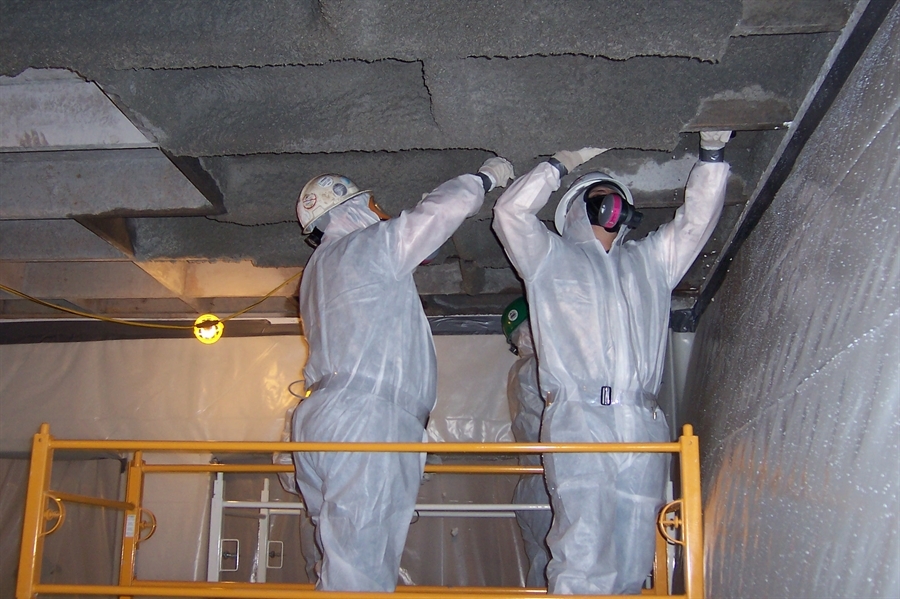
Asbestos is a word that often strikes fear into the hearts of homeowners. With its long history as a hidden health hazard, asbestos is commonly found in older homes, in materials such as drywall, floor tiles, vermiculite, and pipe coverings (TSI). When it comes to removing this dangerous substance, navigating the process can be complex, expensive, and rife with misinformation. At the center of the conversation is New York State’s Industrial Code Rule 56 (ICR 56)—a set of regulations governing asbestos abatement contractors designed to protect public health. Unfortunately, not all contractors play by the rules, leaving homeowners vulnerable to unnecessary costs and unethical practices.
What Is Code Rule 56?
New York State’s Code Rule 56 establishes strict protocols for asbestos removal to safeguard workers and residents. These rules require certified companies and licensed professionals to follow specific guidelines for testing, containment, removal, and disposal of asbestos-containing materials. The code mandates:
- Asbestos Surveys: Before any renovation or demolition, a survey must be conducted by a licensed asbestos inspector to identify and assess the presence of asbestos.
- Proper Licensing: Only certified contractors with appropriate training can perform abatement work.
- Air Monitoring: Air quality must be monitored throughout the project to ensure asbestos fibers do not become airborne. (this slightly varies depending on the size of the project)
- Waste Disposal: Asbestos-containing materials must be disposed of in approved facilities.
While these regulations are necessary for safety, they also make asbestos abatement a specialized—and often expensive—process. Unfortunately, these complexities create opportunities for nefarious behavior.
The Problem With Subcontracting and Upcharging
Many contractors, rather than handling asbestos abatement themselves, subcontract the work to licensed abatement companies, like the one I work for, CRAL Contracting. While subcontracting is a standard practice in many industries, homeowners may not realize they’re being charged a significant markup for this arrangement. For example, a general contractor might charge a homeowner $20,000 for abatement services while paying the subcontractor $12,000, pocketing the $8,000 difference. A GIGANTIC difference in cost compared to companies who may self perform the work themselves.
The homeowner often remains unaware of this markup, assuming the contractor is performing the work directly. Worse yet, some contractors fail to disclose that asbestos is even present, completing the work without proper testing or certification and exposing everyone involved to potential health risks.
Deceptive Practices: The Ugly Truth
Sadly, deception in asbestos abatement is not uncommon. Some contractors may:
- Mislead Homeowners About Asbestos Risks: Telling homeowners that an asbestos survey is unnecessary or overstating the danger to push for expensive remediation.
- Skip Proper Licensing: Performing abatement work without being properly certified, in direct violation of Code Rule 56.
- Cut Corners on Safety: Neglecting required containment measures or air monitoring to save time and money, potentially putting workers and homeowners at risk. Or cutting corners when it comes to notifying the state.
- Provide Inflated Quotes: Charging for extra fees for services that may not be required.
- Performing Work Improperly: Performing small projects that should be classified as larges which results in abatement contractors illegally performing work.
These practices erode trust in the industry and put homeowners in a difficult position, especially when they lack knowledge about the rules governing asbestos abatement.
Honesty and Trust: The Cornerstones of Asbestos Abatement
The most important element in any asbestos abatement project is trust. A trustworthy contractor will:
- Be Transparent About Costs: Break down quotes to show what type of work is being performed, how it’s being done, and why certain measures need to be followed. In the event of work being subcontracted, ensuring homeowners understand where their money is going.
- Follow Code Rule 56 to the Letter: Respecting all regulations not only keeps everyone safe but also demonstrates integrity.
- Provide Documentation: Share test results, air monitoring reports, and certifications to show the work is being performed properly.
- Educate Homeowners: Explain the process, risks, and necessary steps for remediation without exaggerating the situation or cutting corners.
By fostering trust and prioritizing safety, they not only protect their clients but also build long-term relationships that benefit everyone involved.
How to Protect Yourself as a Homeowner
If you’re facing an asbestos abatement project, follow these steps to ensure you’re working with a reputable contractor:
- Insist on an Asbestos Survey: Always get a licensed inspector to assess your property before any work begins.
- Verify Licensing: Check that the abatement contractor is certified in New York State and they have the proper insurance.
- Request a Detailed Quote: Ask for a breakdown of costs, including all fees, to avoid hidden markups.
- Don’t Be Afraid to Get a Second Opinion: If something doesn’t feel right, consult another licensed professional.
The Bottom Line
Asbestos abatement is a serious matter that demands adherence to safety regulations and ethical practices. Unfortunately, the industry is not immune to dishonesty, and many homeowners find themselves paying more than they should—or worse, being exposed to unnecessary risks. By educating yourself and working with contractors who value honesty and transparency, you can ensure your asbestos problem is resolved safely and responsibly.
In the end, trust is not just the cornerstone of a good contractor-client relationship; it’s also the foundation of a safer home. When it comes to asbestos abatement, integrity isn’t just an added bonus—it’s a necessity.
If you or someone you know ever has questions about asbestos in New York State, please don’t hesitate to reach out and ask me.
CRAL Contracting
nate@cralinc.com
315-671-6006

 Winans Writing Consulting